Can You Wait Until Morning? Advice From an Emergency Dentist in Plano, TX
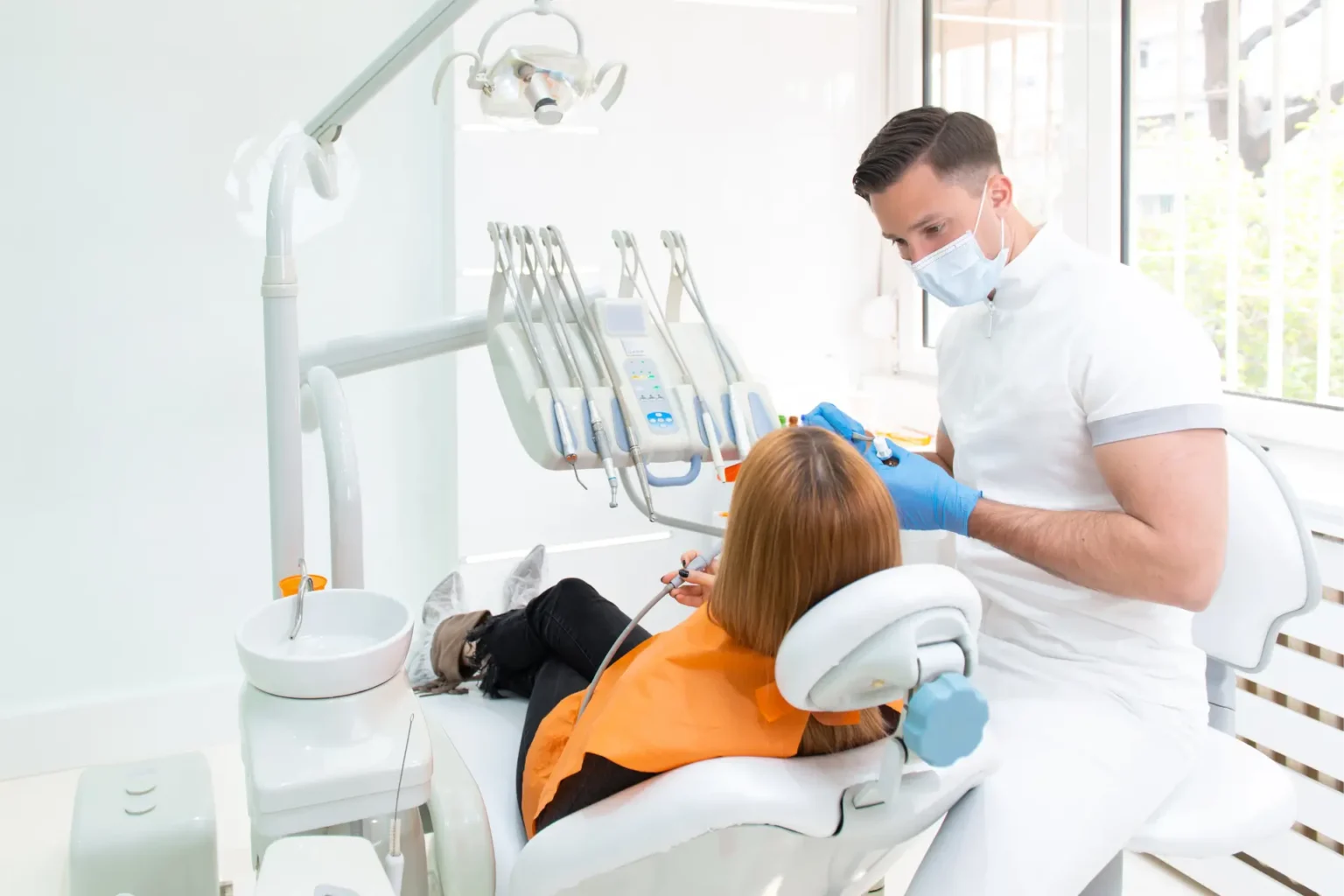
At 10:30 at night, dental pain feels different. It is louder, sharper, harder to ignore. A mild ache that was manageable at lunch can turn into a throbbing pulse by bedtime. A chipped tooth you planned to deal with “sometime this week” suddenly has a jagged edge slicing your tongue. Parents see a child with a swollen cheek and start asking the same question every emergency dentist hears after hours: can this wait until morning?
Sometimes the answer is yes. Quite often, the answer is no.
The hard part is that people tend to sort dental problems into two extremes. Either they assume every broken filling is a full emergency, or they tell themselves a serious infection can wait because “it’s just a tooth.” Real life sits in the middle. Urgency depends on what happened, how much pain you are in, whether there is swelling or bleeding, and whether the problem threatens your airway, your ability to eat, or the long-term health of the tooth.
As an emergency dentist in Plano, TX, I can tell you that timing matters. The right decision at 8 p.m. Can mean the difference between a straightforward repair the next morning and a much bigger problem two days later. Dental issues rarely improve overnight on their own. Some stay stable. Some escalate fast.
What actually counts as a dental emergency
A dental emergency is any oral problem that needs prompt treatment to stop bleeding, control severe pain, treat infection, or save a tooth. That sounds simple, but patients usually do not think in those terms. They think in practical terms. Can I sleep? Can I swallow? Is my face getting bigger? Did the tooth crack all the way through? Did my child’s permanent tooth come out?
Those are the right instincts.
Pain alone does not always tell the whole story. I have seen small cavities cause intense nerve pain, and I have seen serious infections produce surprisingly little discomfort at first. Swelling, fever, pus, a bad taste in the mouth, difficulty opening the jaw, and trauma after a fall or sports injury often matter just as much as the pain level.
One useful way to think about it is this: if waiting is likely to make the injury harder to treat, more expensive to fix, or more dangerous to your health, you should not wait.
Signs you should not wait until morning
Some symptoms move a patient out of the “watch it overnight” category right away. These are the situations where prompt professional care matters most:
- Significant swelling in the gums, jaw, or face, especially if it is spreading
- Trouble swallowing, trouble breathing, or a feeling of pressure under the tongue
- Uncontrolled bleeding that does not slow after steady pressure
- A knocked-out permanent tooth
- Severe pain after trauma, or a tooth that is cracked deeply or split
These situations deserve urgent attention because they can worsen quickly. Facial swelling can point to an active infection, and dental infections do not always stay contained. A knocked-out permanent tooth has the best chance of being saved when it is handled and replanted quickly, ideally within about 30 minutes, though we still try beyond that window. Ongoing bleeding may signal more than a simple gum irritation. Deep fractures can expose the nerve or extend below the gumline, which changes the entire treatment plan.
If breathing or swallowing becomes difficult, that is no longer just a dental office problem. That is an emergency medical issue, and the nearest emergency room may be the right first stop.
Problems that often can wait, carefully, until the next day
Not every after-hours dental problem needs a midnight visit. A lost filling, a crown that came off without severe pain, a small chip with no sensitivity, mild tooth soreness, or food trapped around a gum pocket can sometimes be managed overnight and seen first thing the next day.
The key word is sometimes.
A crown that fell off may not be dramatic, but if the underlying tooth was already weak, every hour you chew on it raises the risk of fracture. A chip may seem minor until the cold sensitivity ramps up. Mild pain can be the beginning of a deeper pulpal problem. Patients get into trouble when they assume that “not unbearable” means “not urgent.”
If the discomfort is controlled, there is no swelling, no fever, no trauma, and you can protect the area until morning, it may be reasonable to wait. But waiting should mean waiting for a scheduled evaluation, not hoping the issue disappears by itself.
Toothaches are tricky for a reason
Tooth pain has a way of misleading people. It can radiate into the ear, temple, or jaw. Sinus pressure can mimic upper molar pain. Clenching at night can make a whole side of the face ache. A dying nerve may hurt intensely for a day and then go quiet, which many patients interpret as improvement. In reality, the nerve may simply Emergency dentist Plano, TX have stopped responding, while infection develops at the root tip.
That is why dentists ask so many specific questions. Is the pain sharp or throbbing? Does it wake you from sleep? Is it triggered by cold, sweets, biting, or heat? Does it linger after the trigger is gone? Did it start after chewing something hard? Is one tooth tender when you tap on it?
In practice, pain that keeps building, pain with swelling, and pain that disrupts sleep are the patterns that worry me most. Teeth do not follow office hours. Pulp inflammation often flares at night because blood flow changes when you lie down, and there are fewer distractions. That is one reason patients who “made it through the day” suddenly feel desperate after dinner.
When swelling changes the picture
A swollen gum around a partially erupted wisdom tooth is one thing. A visibly enlarging cheek is another. Dentists pay close attention to the location and firmness of swelling. Localized puffiness near one tooth may point to an abscess that can often be treated in a dental setting. More diffuse swelling in the face or under the jaw raises bigger concerns.
If you notice that the swelling is increasing over hours, not days, take that seriously. If the skin is tight, warm, or tender, if you have a fever, or if opening your mouth becomes difficult, delaying care is risky. Oral infections can spread into deeper spaces. That is not common in every case, but it is common enough that experienced dentists never brush it off.
Patients sometimes try to “pop” a gum boil or place aspirin directly on the gums to burn the area. Both are bad ideas. Drainage from an abscess may temporarily reduce pressure, but it does not solve the infection. Aspirin on soft tissue can create a chemical burn and leave you with a second problem on top of the first.
Knocked-out teeth and broken teeth after accidents
Dental trauma is where timing has the clearest impact. If a permanent tooth gets knocked out, every minute matters. Handle it only by the crown, not the root. If it is dirty, rinse it gently for a few seconds with milk or saline, or with clean water if that is all you have, and do not scrub it. If possible, place it back into the socket and bite gently on gauze to hold it in place. If that is not possible, store it in milk or a tooth preservation solution if available. Then get to care quickly.
Baby teeth are different. A knocked-out baby tooth is usually not replanted, because doing so can damage the developing permanent tooth underneath. Parents understandably panic when they see blood, but the right response depends on whether the tooth is primary or permanent.
Broken teeth have their own range. A tiny corner chipped off the edge of a front tooth may be mostly cosmetic. A crack that runs vertically into the tooth, a fracture that leaves the tooth mobile, or a break that exposes a red or bleeding center is urgent. I have treated patients who delayed a visible crack because the pain was tolerable, only to find later that the fracture extended below the bone and the tooth could not be saved. Earlier care would not always have changed that outcome, but sometimes it does.
What to do at home while you are deciding
There are sensible steps you can take before you are seen. They help control the situation, but they do not replace treatment:
- Rinse gently with warm salt water to clear debris and soothe irritated tissue
- Use a cold compress on the outside of the face for swelling, usually 15 to 20 minutes on and off
- Take over-the-counter pain medication as directed on the label, if you normally can take it safely
- Avoid chewing on the affected side, and stick to soft foods
- Keep any broken tooth fragment or dislodged restoration and bring it with you
A couple of cautions matter here. Do not put aspirin directly on the tooth or gums. Do not apply heat to facial swelling, because warmth can increase circulation and sometimes worsen the spread of infection. If a crown came off, some people use temporary dental cement from a pharmacy, which can be reasonable for a short overnight hold, but only if the tooth is clean, the crown fits passively, and there is no severe pain. If it does not seat easily, forcing it can damage the tooth or trap decay and debris underneath.
For pain control, many adults do well with standard over-the-counter medications taken according to the package instructions, assuming they have no medical reason to avoid them. If you have kidney disease, stomach ulcers, are on blood thinners, are pregnant, or have been told by a physician not to take certain medications, be careful and follow your doctor’s guidance.
The emergency room versus an emergency dentist
This distinction causes a lot of confusion. Hospital emergency rooms are essential for facial trauma, uncontrolled bleeding, rapidly spreading infection, trouble breathing, severe dehydration from inability to swallow, and any situation involving loss of consciousness or broader medical instability. They can manage pain, prescribe antibiotics when appropriate, and address urgent medical risks.
What they usually cannot do is definitive dental treatment. Most ERs do not perform root canals, place crowns, re-cement bridges, or extract routine problem teeth on demand. Patients often leave with temporary relief and still need a dentist the next day.
That is why people specifically search for an Emergency dentist Plano, TX when a tooth crisis hits after hours. A dental office set up for urgent care can evaluate the source of the pain, take the right dental imaging, drain an abscess if indicated, smooth a fracture, stabilize a loose tooth, replace a lost temporary, or begin treatment that actually resolves the problem rather than only easing symptoms for a few hours.
The practical rule is simple. If the issue is primarily dental and you are medically stable, an emergency dentist is usually the most direct route. If your general health or airway is in question, the ER comes first.
The problems patients underestimate most often
There are a few patterns I see over and over.
The first is the “it stopped hurting, so it must be fine” assumption. A tooth with irreversible nerve damage may become less painful after the nerve tissue dies, but the infection around the root can continue to expand quietly. That calm period fools people into postponing treatment until swelling appears.
The second is the cracked molar after chewing ice, popcorn kernels, or hard candy. Many patients can still chew somewhat, so they put off care. Then the crack deepens, the tooth splits, and a crown that might have protected it is no longer enough.
The third is the lost filling in a back tooth that “doesn’t look bad.” Food packs into the space, the tooth shifts slightly, and the walls weaken. What could have been a small repair turns into a root canal and crown or even an extraction.
The fourth is gum swelling around wisdom teeth. Mild irritation from a flap of gum can sometimes be managed briefly, but if the area becomes difficult to clean, bacteria accumulate, and the tissue can become angry fast. Fever, stiffness, foul taste, or increasing pain around a partially erupted wisdom tooth should move the timeline up.
Special considerations for children
Children bring a different layer of urgency because they often cannot describe what they feel with much precision. They may simply stop eating on one side, wake up crying, or become unusually quiet. A lip laceration and loose front tooth after a playground fall may look dramatic but be manageable. On the other hand, a dental infection in a child can progress quickly, and facial swelling should not be brushed off.
A common late-night question from parents is whether a tooth that has been pushed inward or outward after trauma can wait. With baby teeth, management varies widely depending on the position of the tooth and the child’s age. With permanent teeth, repositioning and splinting may need to happen promptly. If you are not sure which set of teeth your child has, that is exactly when calling a dentist helps.
Pain also behaves differently in kids. A child with a large cavity may cope all day, then melt down after bedtime when things get quiet. If the pain is severe enough that your child cannot sleep, eat, or be comforted, it deserves prompt attention, even if there is no obvious swelling yet.
What “waiting until morning” should really mean
When patients ask whether they can wait until morning, they sometimes mean, “Can I safely delay treatment for eight to ten hours while I keep the area protected?” Other times they mean, “Can I put this off until sometime next week when work slows down?” Those are two very different choices.
A genuinely stable issue may be reasonable to monitor overnight with a plan to be seen first thing the next day. That is not the same as delaying evaluation indefinitely. Teeth and infections rarely reward procrastination. Biology tends to move in one direction.
There is also the matter of treatment options. The earlier a problem is examined, the more conservative the solution often can be. Catch a fracture early, and you may be looking at bonding or a crown. Wait until the pulp becomes involved, and now you may need endodontic treatment as well. Address an abscess while it is still localized, and drainage plus definitive care may solve it cleanly. Wait until swelling spreads, and the plan becomes more complicated.
A practical way to make the call at home
If you are standing in your bathroom at night with a flashlight and a sore jaw, ask yourself a few plain questions. Is there swelling, and is it growing? Is there bleeding that will not stop? Did a permanent tooth get knocked out or moved? Is the pain severe enough that you cannot sleep or function? Do you have fever, trouble swallowing, or trouble breathing? Did trauma cause this?
If the answer to any of those is yes, do not talk yourself out of being seen.
If the issue is bothersome but stable, no swelling, no fever, no major trauma, no uncontrolled bleeding, and the pain responds to simple measures, it may be reasonable to sleep upright, protect the area, and arrange prompt care in the morning. That is a judgment call, not a guarantee. When in doubt, a quick conversation with a dental office that handles urgent cases can save a lot of guessing.
Why prompt dental advice matters in Plano
Plano families are busy, and late-night decisions often happen in the middle of everything else, homework, sports schedules, work deadlines, travel plans. People want a neat answer. Dentistry does not always give one. What it does give is pattern recognition. Dentists who handle emergencies regularly can tell the difference between a nuisance and a threat, between a tooth that can be stabilized overnight and one that is on borrowed time.
That is why finding an Emergency dentist Plano, TX is less about convenience and more about preserving options. Prompt evaluation protects teeth, prevents avoidable infections from progressing, and often reduces the total cost and complexity of care. It also gives patients something they badly need in the middle of a painful night: clarity.
If you are unsure whether your situation can wait until morning, trust the details, not just your hope that it will settle down. Swelling, trauma, uncontrolled bleeding, and severe escalating pain usually mean do not wait. A minor chip or lost crown without significant pain may hold until the next day if handled carefully. The line is not always dramatic, but it is real, and recognizing it early is one of the most useful things an emergency dentist can offer.
Vitality Dental
1220 Coit Rd # 106, Plano, TX 75075, United States
+1 972-645-4100
FAQ About Emergency dentist Plano, TX
Will the ER do anything for dental pain?
An emergency department can assess urgent symptoms and provide medical stabilization. Definitive treatment of the tooth usually requires a dentist. Seek emergency medical care for breathing or swallowing difficulty, uncontrolled bleeding, or serious facial injury.
What to do if I have a dental emergency in the middle of the night?
Contact a dentist or after-hours dental service promptly for guidance. If a permanent tooth is knocked out, keep it moist in milk while seeking immediate care. If symptoms suggest a medical emergency, go to an emergency department.
What qualifies as a dental emergency?
A knocked-out permanent tooth, severe or persistent tooth pain, a significant dental injury, or swelling may require urgent dental assessment. Call a dentist to describe the symptoms and determine timing. Uncontrolled bleeding or difficulty breathing or swallowing requires emergency medical care.