Emergency Dentist Plano, TX: Help for Painful Pressure and Inflammation
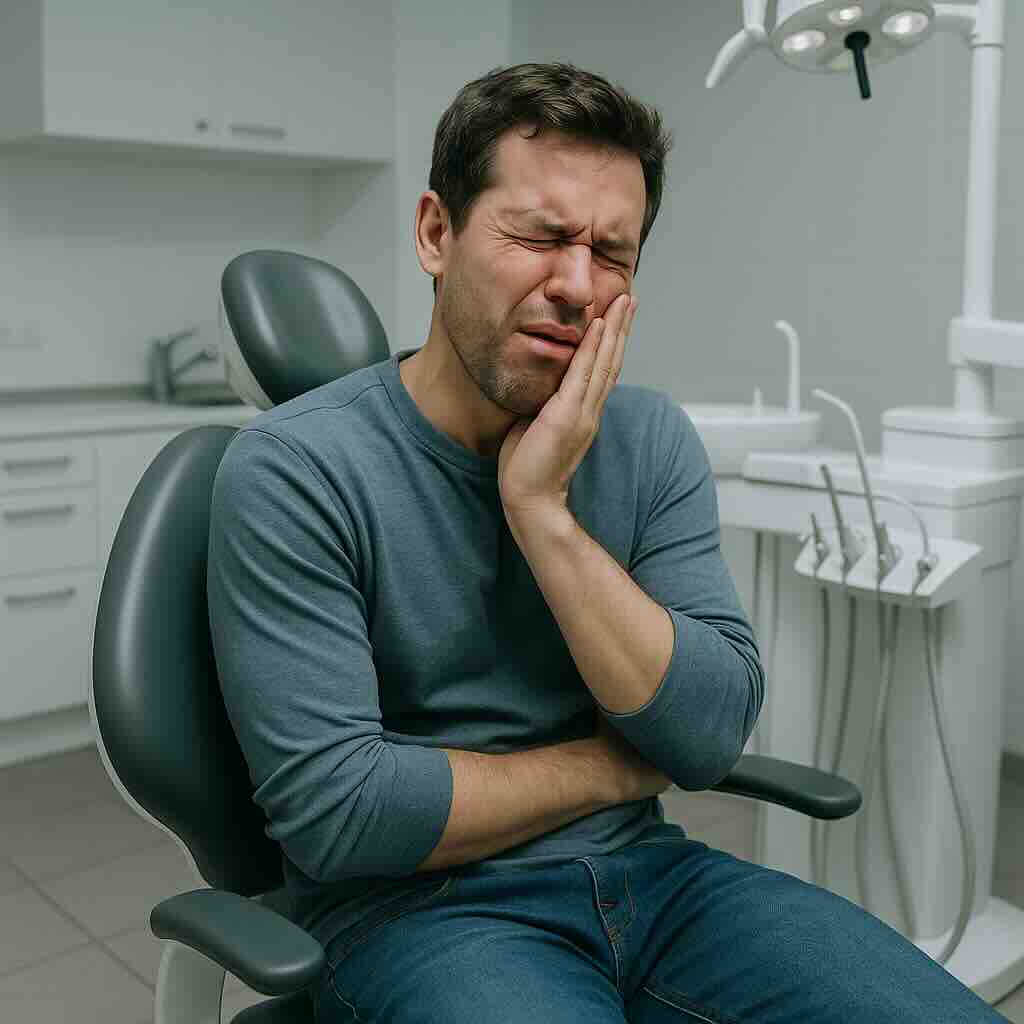
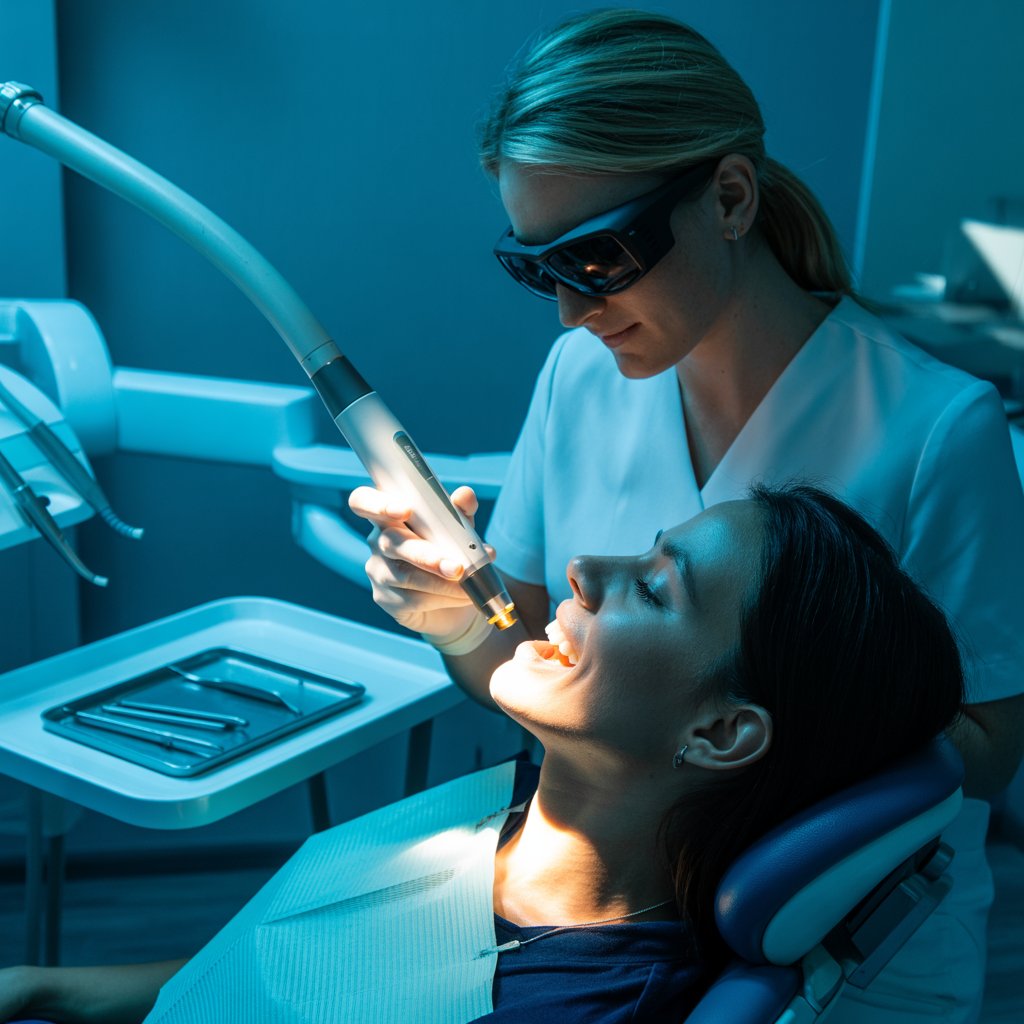
Tooth pain has a way of taking over everything. It changes how you eat, how you sleep, how you speak, and how patient you feel by the end of the day. When that pain comes with pressure, swelling, or a deep throbbing sensation, most people are not dealing with a minor annoyance. They are dealing with an urgent dental problem that can worsen quickly.
In a place like Plano, where workdays are busy and family schedules are tight, people often try to push through dental pain longer than they should. I have seen the pattern many times. Someone assumes it is a sinus issue, or thinks the discomfort will settle down after a night of rest. Then the pressure builds, the gum starts to swell, the tooth becomes sensitive to touch, and suddenly they are searching for an emergency dentist Plano, TX patients can call the same day.
Painful pressure and inflammation are not just symptoms to mask. They are signals. Sometimes the problem is a cracked tooth. Sometimes it is a deep cavity that has reached the nerve. In other cases, an abscess has formed and the body is reacting to infection. The right response depends on the cause, and that is exactly why prompt evaluation matters.
When pressure and inflammation mean more than a simple toothache
Not all toothaches are emergencies, but pressure and swelling deserve respect. A dull sensitivity that comes and goes after cold drinks is different from pain that pulses, wakes you at 2 a.m., or makes it uncomfortable to bite down. Pressure often means something is building inside or around the tooth. That may be inflamed pulp within the tooth, trapped infection at the root, or swelling in the surrounding gum tissue.
Inflammation is the body’s defense system at work, but in the mouth it can become especially painful because there is limited room for swelling. A tooth does not have much space to accommodate pressure inside it. That is one reason infected or inflamed teeth can feel so intense. Patients often describe it as “my tooth feels too big,” or “it feels like something is pushing from underneath.” Those descriptions are useful because they point toward pressure-related dental conditions rather than generalized sensitivity.
The most common causes include advanced decay, a failing filling, a fractured cusp, gum infection, trauma from clenching, and erupting wisdom teeth in younger adults. Sinus inflammation can also create pressure in the upper back teeth, which sometimes confuses the picture. That said, sinus pressure usually affects several upper teeth at once and often appears alongside nasal congestion. A single tooth that is sharply painful to bite on or touch typically deserves urgent dental attention.
Why these symptoms tend to escalate
Dental infections do not usually fix themselves. Sometimes symptoms briefly fade, which can mislead people into thinking the problem is gone. In reality, the nerve inside the tooth may be dying, or the infection may be draining and changing form. Relief without treatment is not always a good sign.
What concerns dentists most is progression. A cavity that once caused mild sensitivity can deepen into pulpitis, then into infection around the root tip. Gum inflammation around a partially erupted tooth can trap bacteria and food debris, leading to painful swelling. A cracked tooth can start as a nuisance and become a severe bite problem if the fracture extends deeper. In all of these cases, waiting increases the chance that treatment becomes more complex, more invasive, and more expensive.
There is also the issue of infection spreading. Most dental infections stay local at first, but some extend into nearby tissues. Swelling in the cheek, jawline, or under the eye is not something to watch casually for several days. Fever, difficulty swallowing, and trouble opening the mouth can shift a dental emergency into a medical one.
What an emergency dentist is looking for
When someone comes in with painful pressure and inflammation, the first goal is not just to stop the pain. It is to find out why the pain exists. That usually starts with a visual exam, gum evaluation, percussion testing, temperature testing, and dental X-rays when appropriate. A dentist wants to know whether the problem is inside the tooth, around the root, in the gum tissue, or related to a crack or bite issue.
This part matters because similar symptoms can require very different treatments. A tooth with irreversible pulp inflammation may need root canal therapy. A gum abscess may need drainage and deep cleaning. A cracked filling might need replacement and bite adjustment. A severely broken tooth could require extraction if it cannot be restored predictably.
There is judgment involved here. A good emergency dentist does not simply prescribe antibiotics and send the patient home unless the situation truly calls for it. Antibiotics can help control bacterial spread, but they do not remove decay, drain trapped infection inside a tooth, or repair structural damage. If the source remains untreated, the problem often returns.
Common emergency diagnoses behind pressure and swelling
Several conditions show up again and again in urgent dental visits. Deep decay is one of the most familiar. It often begins quietly, then becomes obvious when the cavity reaches the inner tooth. Patients may report lingering sensitivity to hot or cold, followed by spontaneous pain and pressure.
An abscess is another frequent culprit. This is a localized infection, often near the root of a tooth or within the gums. It can create visible swelling, tenderness, a bad taste in the mouth if it drains, and pain when chewing. Some abscesses develop fast. Others simmer for weeks before flaring.
Cracked teeth are trickier because they do not always show dramatic swelling at first. A patient may say, “It hurts when I release my bite,” or “It feels sharp only on one side.” Cracks can irritate the pulp, leading to inflammation and pressure that grows over time.
Pericoronitis, inflammation around a partially erupted wisdom tooth, is especially common in younger adults. Food and bacteria can collect under the gum flap, making the area swollen, sore, and difficult to clean. Patients often notice pain when opening wide or chewing near the back of the mouth.
Severe gum disease can also present as pressure and inflammation, particularly when a periodontal abscess forms. In those cases, the tooth may feel elevated or loose, and the gum can look puffy and red.
Signs you should seek urgent dental care the same day
Some symptoms should move you from “I’ll monitor it” to “I need help today.” If you are searching for an emergency dentist Plano, TX residents often need one for situations like these:
- swelling of the gums, cheek, or jaw that is increasing
- throbbing pain that does not improve with over the counter medication
- pain when biting, especially if the tooth feels raised or unstable
- fever, foul taste, or pus near the painful area
- difficulty swallowing, opening your mouth, or sleeping due to pain
A same-day exam can be the difference between a manageable procedure and a rapidly worsening infection. If breathing or swallowing becomes difficult, that is no longer a standard dental office problem. It requires immediate medical attention.
What you can do before you get to the office
The hours between noticing severe pain and getting into a chair can feel long. Home care will not solve the underlying issue, but it can reduce irritation and help you avoid making things worse.
- rinse gently with warm salt water if the tissues feel swollen or irritated
- use a cold compress on the outside of the face for 10 to 15 minutes at a time
- take over the counter pain medication as directed on the label, if you are medically able to do so
- avoid chewing on the painful side and skip very hot, very cold, or sugary foods
- do not place aspirin directly on the gum or tooth
That last point is worth stressing. People still try old home remedies that irritate soft tissue and create chemical burns. Aspirin belongs in the stomach, not pressed against the gum.
What treatment may look like once you are seen
Emergency dental treatment usually happens in phases. The first phase is stabilization. That means reducing pain, controlling infection if present, and making sure the situation is not worsening. Sometimes the stabilizing treatment is also the definitive treatment. For example, if a filling has fallen out and the tooth can be cleaned and restored immediately, the problem may be solved in one visit.
Other times, the first appointment is focused relief, followed by a second appointment for full treatment. A classic example is root canal therapy on a severely inflamed tooth. In some cases, the dentist can complete it in one visit. In others, especially when swelling or drainage is significant, the tooth may first be opened to relieve pressure, medicated, and completed shortly after.
Drainage is one of the most immediate forms of relief when an abscess is causing pressure. Patients often notice improvement within hours once trapped infection is addressed. If the source tooth is not restorable, extraction may be the most predictable choice. That is not always the outcome, but preserving a tooth only makes sense when the long-term prognosis is sound.
Bite adjustment can also matter more than patients realize. A filling or crown that sits slightly high can turn a tender tooth into a very painful one. Likewise, people who clench at night may inflame the ligament around a tooth, creating a bruised, pressure-heavy feeling that mimics infection. Careful testing helps sort those possibilities out.
The role of antibiotics, and their limits
Many people expect antibiotics when there is swelling, and sometimes they are appropriate. But antibiotics are support, not the main fix. If a tooth is infected inside, blood supply to the area may be limited, which means medication alone often cannot fully eliminate the problem. Mechanical treatment is what resolves the source, whether that means drainage, cleaning, root canal therapy, or extraction.
Dentists also weigh the pattern of swelling before prescribing. Localized pain without facial swelling or fever may not require an antibiotic if definitive treatment can happen promptly. Widespread swelling, systemic symptoms, or signs of spreading infection may make antibiotics important in addition to local treatment.
This distinction matters because overusing antibiotics is not harmless. It can contribute to side effects, resistance, and delayed proper care. Patients are often surprised to learn that the fastest route to feeling better is usually treating the tooth itself, not just taking a prescription.
Children, teens, and adults do not present the same way
Age changes the picture. In children, severe pressure may come from a cavity in a baby tooth, trauma from a fall, or swelling around erupting teeth. Parents sometimes underestimate baby tooth infections because the Emergency dentist Plano, TX tooth will eventually fall out anyway. That can be risky. Infected baby teeth can still cause significant pain and can affect the developing permanent tooth.
Teens and young adults more often show up with wisdom-tooth related inflammation, sports injuries, or cracked fillings from years of wear. Adults in their thirties through sixties tend to present with deep decay under older restorations, fractured teeth, failed crowns, or gum abscesses. Older adults may also have root exposure from gum recession, dry mouth related to medication use, or complex histories involving implants and bridges.
The point is not that one group has it worse. It is that diagnosis depends on context. A 17-year-old with swelling behind the molar raises different concerns than a 62-year-old with a crowned tooth that suddenly hurts to bite on.
The hidden cost of waiting out dental pain
People delay emergency visits for understandable reasons. They are busy. They worry about cost. They are nervous about treatment. They hope the weekend will pass and the pain will fade. Yet delaying often creates the very problems they are trying to avoid.
A small cavity is cheaper to treat than a root canal and crown. A tooth that might have been saved on Friday can become non-restorable by Monday if the fracture extends or the decay undermines more structure. Swelling can force a dentist to postpone definitive treatment until the infection is calmer, which means more appointments and more missed time.
There is also the personal toll. Poor sleep from throbbing tooth pain makes work harder and tempers shorter. People eat soft, processed foods because chewing hurts. They avoid cold water. They stop smiling fully if the area is visible. Dental emergencies are not only clinical events. They disrupt normal life in very practical ways.
What to look for in an emergency dental office in Plano
If you need urgent care, convenience matters, but so does capability. A truly useful emergency dentist Plano, TX patients can rely on should be set up to do more than triage by phone. Same-day availability, diagnostic imaging, clear communication, and the ability to provide treatment on site all make a real difference.
It also helps when the office is honest about what can and cannot be handled immediately. Some cases can be completed start to finish in one visit. Others require a staged approach or referral to a specialist, such as an endodontist or oral surgeon. Straight answers reduce panic.
Pain management style matters too. Patients in severe discomfort are often anxious, and anxiety amplifies pain perception. Offices that take a calm, direct, respectful approach tend to make emergency visits feel more manageable. That is not a small detail. For many people, the worst part is the anticipation.
Aftercare is where recovery is protected
Once the immediate crisis is addressed, the next 48 hours matter. Tissues that have been swollen or infected need time to settle. If you had drainage, root canal treatment, or an extraction, you may feel sore before you feel dramatically better. That does not necessarily mean something is wrong. What matters is the trend. Most patients notice that the deep pressure starts to ease, then the tenderness becomes more localized and manageable.
Follow instructions closely. Finish prescribed medication as directed. Keep the area clean. Avoid testing the tooth with hard foods to see if it is “better yet.” I have seen more than one patient turn a recovering tooth into a painful one again by chewing steak on it the same night because it seemed improved.
If symptoms worsen rather than improve, especially swelling, fever, or escalating pain, the office should be contacted promptly. Dental emergencies sometimes require reassessment, particularly when infections were advanced at the time of treatment.
Preventing the next urgent visit
Most emergency dental visits are not random bad luck. They often grow out of issues that had warning signs. A filling that felt rough for months, a tooth that was sensitive to cold all winter, bleeding gums that were shrugged off, or a nightguard that was recommended but never made because clenching “wasn’t that bad.” Hindsight makes the pattern obvious.
Routine exams and X-rays catch a lot before they become emergencies. So does early attention to broken fillings, recurrent sensitivity, and gum inflammation. For patients who grind their teeth, a properly fitted nightguard can prevent cracks that become weekend emergencies months later. For those with dry mouth from medication, targeted prevention can reduce the rapid decay that often shows up along the gumline.
That said, even careful people have accidents, hidden cracks, and unexpected flare-ups. Prevention lowers risk, but it does not eliminate the need for urgent care access. What matters is responding quickly when painful pressure and inflammation appear.
When pain is sending a clear message
Pressure in a tooth or jaw is rarely subtle for long. It builds. It distracts. It interrupts sleep and meals and concentration. Inflammation adds another layer, tenderness, swelling, heat, and that unmistakable sense that something is wrong below the surface.
Those are not symptoms to negotiate with for a week.
If a tooth feels as if it is being pushed from the inside, if your gum is swelling, or if your face looks different by the hour, it is time to be seen. An experienced emergency dentist Plano, TX patients can reach quickly will focus on two things right away: stopping the pain and identifying the source. Both matter. Relief without diagnosis is temporary, and diagnosis without relief is not enough when someone has not slept all night.
Fast evaluation, thoughtful treatment, and clear follow-up can turn a frightening dental episode into a manageable one. That is the real value of emergency care. It restores not only the tooth or the gum, but your ability to think about something other than pain.
Vitality Dental
1220 Coit Rd # 106, Plano, TX 75075, United States
+1 972-645-4100
FAQ About Emergency dentist Plano, TX
Will the ER do anything for dental pain?
An emergency department can assess urgent symptoms and provide medical stabilization. Definitive treatment of the tooth usually requires a dentist. Seek emergency medical care for breathing or swallowing difficulty, uncontrolled bleeding, or serious facial injury.
What to do if I have a dental emergency in the middle of the night?
Contact a dentist or after-hours dental service promptly for guidance. If a permanent tooth is knocked out, keep it moist in milk while seeking immediate care. If symptoms suggest a medical emergency, go to an emergency department.
What qualifies as a dental emergency?
A knocked-out permanent tooth, severe or persistent tooth pain, a significant dental injury, or swelling may require urgent dental assessment. Call a dentist to describe the symptoms and determine timing. Uncontrolled bleeding or difficulty breathing or swallowing requires emergency medical care.