How Emergency Dentists in Plano, TX Handle Cracked Molars
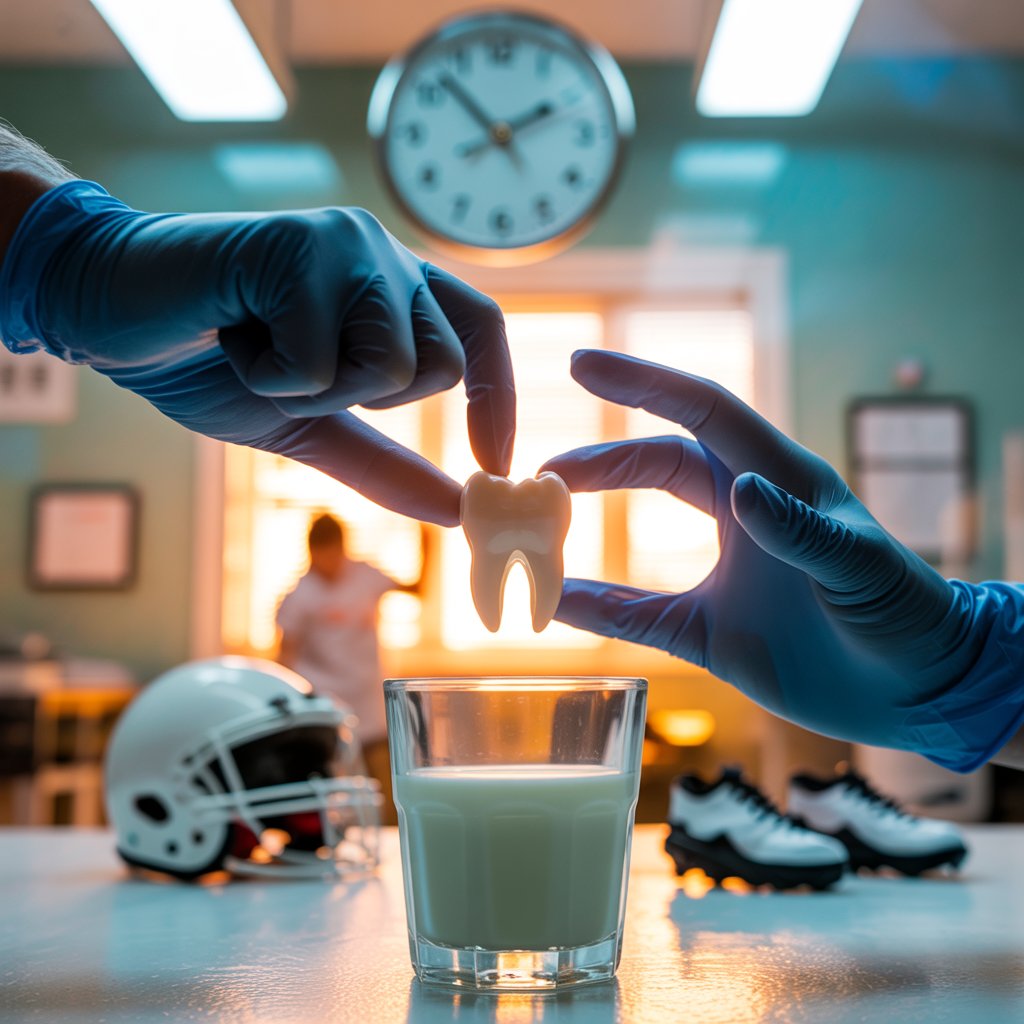
A cracked molar rarely announces itself politely. For some patients, it starts as a sharp zing when they bite into toast or chew ice. For others, it arrives all at once during dinner, followed by pain that seems to pulse up the side of the face. Molars take the heaviest chewing forces in the mouth, so when one splits, chips, or develops a deep fracture, the problem tends to show up fast and become disruptive even faster.
In a busy community like Plano, emergency dental visits for cracked back teeth are common. Molars fail for predictable reasons: old fillings weaken the remaining tooth walls, nighttime grinding creates repeated stress, and hard foods finish the job. The role of an emergency dentist is not simply to “fix a broken tooth.” The real task is more precise. They need to determine how deep the crack runs, whether the pulp or root is involved, whether the tooth can be saved, and how to control pain while protecting the tooth from further damage.
That process is more nuanced than many patients expect. Two cracked molars can look nearly identical in the mirror and require completely different treatment in the chair. One may need only a bonded restoration or crown. The other may require root canal therapy, or may be too compromised to keep. Good emergency care depends on a careful exam, sound judgment, and fast stabilization.
Why cracked molars turn into true dental emergencies
Not every dental problem needs same-day Emergency dentist Plano, TX care, but cracked molars often do. The reason is partly mechanical and partly biological.
Mechanically, a molar is built to absorb strong chewing pressure. Once a crack forms, each bite can force the fracture to spread. Think of a fault line in a sidewalk. It may look small at first, but repeated pressure and temperature changes widen it. Teeth behave in a similar way. A patient may notice mild discomfort for a week, then suddenly feel severe pain after one hard bite because the crack has deepened or a cusp has broken off.
Biologically, the danger is what the crack exposes. Beneath the enamel lies dentin, a more sensitive layer with microscopic tubules that communicate with the pulp. If the fracture reaches that depth, cold air, sweet foods, or pressure can trigger pain. If bacteria gain access to the pulp, inflammation follows. That can progress from sensitivity to lingering pain, then to infection, swelling, and an abscess. When patients search for an Emergency dentist Plano, TX, it is often because the problem has crossed that line from inconvenient to urgent.
Another reason these cases move quickly is that cracked tooth pain can be strangely inconsistent. A patient may have severe pain when releasing a bite, then feel almost normal between meals. That unpredictability leads some people to wait longer than they should. By the time they come in, the crack may have extended below the gumline or into the root, narrowing the treatment options.
What usually causes a molar to crack
Dentists rarely see a cracked molar in isolation from the patient’s broader dental history. There is usually a pattern behind it.
Large silver or white fillings are a common factor. Restorations save teeth, but when a molar has been filled several times over the years, the remaining natural structure can become thin and fragile. The filling itself may still be intact while the tooth walls around it fracture.
Bruxism, or clenching and grinding, also plays a major role. Many patients do it during sleep and have no idea until the signs show up: flattened chewing surfaces, small craze lines, worn enamel, jaw soreness, or repeated failures in back teeth. The force generated during nighttime grinding can be surprisingly high, often more than enough to split a vulnerable molar.
Then there are the everyday triggers. Popcorn kernels, unpopped corn, hard candy, ice, nuts, and crusty breads are frequent culprits. So are habits like chewing pens or opening packages with the teeth. Sometimes the crack follows trauma, but more often it is the final event in a tooth that has been weakening quietly for months or years.
Age matters too. Teeth naturally become less flexible over time. That does not mean everyone will crack a molar as they get older, but mature teeth with older dental work and years of bite stress are simply more likely to fail.
The first appointment, what an emergency dentist is trying to find out
The first emergency visit usually has two goals: relieve discomfort and decide whether the tooth is restorable. That sounds straightforward, but diagnosing a cracked molar can be one of the trickier tasks in general dentistry.
An emergency dentist begins with the history. When did the pain start? Does it hurt with chewing, cold, sweets, or spontaneous throbbing? Did a piece break off? Has there been swelling? Patients often describe a “lightning bolt” feeling when they bite down and release. That detail is important because it often points toward a crack rather than simple decay.
The exam comes next. The dentist checks the tooth visually, but visible damage tells only part of the story. Some serious cracks are hidden. The tooth may be tested by having the patient bite on a small instrument one cusp at a time. Pain on release can help identify which cusp is flexing along a fracture line. Cold testing helps determine how the pulp is responding. Tapping on the tooth can reveal inflammation in the ligament around the root. Periodontal probing around the gumline matters too, because one isolated deep pocket may suggest a vertical crack extending downward.
X-rays are necessary, but patients are often surprised to learn that cracks do not always show clearly on radiographs. A standard dental X-ray is very good for spotting decay, bone loss, infection at the root tip, and broken restorations. It is less reliable for fine fracture lines unless the crack has separated enough or caused secondary changes. In some cases, additional imaging may help, but diagnosis still depends heavily on symptoms and clinical findings.
This is where experience matters. A good emergency dentist is not just looking for damage. They are sorting the tooth into a treatment category: minor cusp fracture, crack into dentin, crack involving the pulp, split tooth, or likely vertical root fracture. Those categories drive everything that happens next.
The different kinds of cracks, and why treatment varies so much
A small chip on the outer edge of a molar is very different from a split running through the center of the tooth. Patients often use the same language for both, but dentists separate them because prognosis changes dramatically with depth and direction.
A superficial craze line in enamel may need no treatment at all if it is not causing symptoms. A broken cusp, especially around a large filling, is often repairable with a filling, onlay, or crown if enough healthy tooth remains. A crack extending into the dentin but not deep into the root may still be savable, often with cuspal coverage to hold the tooth together.
Once the pulp is inflamed or exposed, the plan becomes more involved. That tooth may need root canal treatment before it can be crowned. If the crack extends below the gumline in a way that prevents a proper seal, or if the tooth has split into separate segments, extraction may be the more predictable option. Vertical root fractures are among the toughest scenarios because they often cannot be restored successfully.
This is why two patients can both say, “I cracked my molar,” yet leave with very different recommendations. Emergency dental care is less about applying a standard repair and more about matching treatment to the crack pattern.
What happens during same-day emergency treatment
When patients are in pain, they often hope the tooth can be permanently fixed that same day. Sometimes it can. Often, though, the first visit is about stabilization.
The emergency dentist may smooth rough edges, remove loose fragments, place a sedative or protective material over sensitive dentin, adjust the bite so the cracked cusp takes less force, or place a bonded temporary restoration. If the pulp is badly inflamed and the diagnosis is clear, root canal treatment may begin that day, depending on time, swelling, and the office’s schedule. In other cases, the dentist focuses on getting the patient comfortable and protecting the tooth until a crown or more definitive procedure can be completed.
Common same-day priorities include:
- Controlling pain and sensitivity
- Preventing the crack from propagating under chewing pressure
- Determining whether the nerve is still healthy or already compromised
- Deciding whether the tooth is structurally restorable
- Planning the definitive restoration, often a crown or onlay
Temporary measures are not “half fixes” when they are used correctly. They buy time, reduce risk, and allow the dentist to see whether symptoms settle or declare themselves more clearly. A tooth that is borderline on day one may be easier to judge after inflammation calms down.
When a crown is enough, and when it is not
For many restorable cracked molars, the long-term answer is a crown. That is because a crown wraps and reinforces the remaining tooth structure, helping hold cusps together under biting forces. In practical terms, it works like a protective shell. It does not erase the crack, but it can prevent the tooth from flexing further and reduce pain with function.
A crown works best when the crack has not gone too deep, the tooth has enough sound structure left, and the pulp is still healthy or has already been treated successfully. In those cases, prognosis is often favorable.
Where patients sometimes get frustrated is when they expect a crown to save every cracked tooth. It cannot. If the fracture extends too far below the gum, creates an unsealable margin, or compromises the root, the crown has nothing reliable to sit on. A beautifully made crown on a structurally hopeless tooth is still the wrong treatment.
There is also timing to consider. Some dentists will place a well-designed temporary or a bonded buildup first and monitor symptoms before committing to the final crown. That can be especially wise when the pulp response is uncertain. If the tooth later develops irreversible symptoms, root canal therapy may still be needed. Experience teaches caution here. Rushing into a final restoration before the tooth declares itself can lead to re-treatment and patient frustration.
Why some cracked molars need root canal treatment
Patients often hear “you need a root canal” and assume that means the tooth is unsalvageable. In reality, it often means the opposite. Root canal treatment can be what allows a badly symptomatic cracked molar to remain functional.
The need arises when the pulp is irreversibly inflamed, infected, or exposed. Typical clues include lingering pain after cold, spontaneous throbbing, pain that wakes the patient at night, or signs of infection around the root. In a cracked molar, the nerve may have been irritated for weeks before the tooth finally broke enough to force an emergency visit.
During root canal treatment, the inflamed or infected pulp tissue is removed, the canals are cleaned and sealed, and the tooth is later reinforced with a crown. The sequence matters. A root canal without appropriate full coverage on a back tooth leaves it vulnerable to future fracture. Emergency dentists know that endodontic success and structural success are tied together.
Still, not every painful cracked molar needs a root canal. Some teeth are simply sensitive because exposed dentin is transmitting cold and pressure. If the pulp can recover once the tooth is stabilized, more conservative treatment may succeed. That distinction is one of the most important judgment calls in emergency care.
When extraction is the better decision
Saving natural teeth is generally the preferred path, but not at any cost. There are times when extraction is the most honest and responsible recommendation.
If the tooth has split into distinct segments, if the crack extends deep into the root, or if decay and fracture together leave too little healthy structure, heroic treatment may fail despite considerable expense. In those cases, removing the tooth can spare the patient repeated pain, repeated visits, and repeated bills.
This is not a sign that the dentist is giving up. It is a recognition that long-term predictability matters. A compromised molar in the very back of the mouth absorbs enormous force. If its foundation is no longer stable, even a technically excellent restoration may not hold.
Once extraction becomes necessary, the conversation shifts quickly to replacement. Some patients do well with an implant after healing. Others consider a bridge, and some choose no replacement depending on the tooth’s position and the condition of the rest of the bite. That decision is individual, and it is one more reason why prompt evaluation matters. Earlier treatment can sometimes keep the patient out of this category altogether.
What patients should do before they get to the office
The hours between the crack and the appointment can make a difference. Patients do not need to diagnose the tooth themselves, but a few practical steps help limit further damage and make the visit easier.
If possible, avoid chewing on that side. Soft foods are safer until the tooth is evaluated. Rinsing gently with warm water can help clear debris. If there is swelling, a cold compress on the outside of the face may reduce discomfort. Over-the-counter pain medication may help if the patient can take it safely, but aspirin should not be placed directly on the gum, a common home remedy that can burn tissue. Any broken fragment that is recovered can be brought to the office, though it cannot always be reused.
A short self-care checklist is useful:
- Do not chew hard or sticky foods on the affected side
- Keep the area clean with gentle brushing and warm water rinses
- Use a cold compress externally if swelling or throbbing develops
- Call promptly if pain lingers, worsens, or is paired with facial swelling
- Seek urgent care the same day if swelling affects swallowing or breathing
That last point matters. Most cracked molars are dental emergencies, not medical emergencies. But once swelling spreads or the patient develops fever, difficulty opening the mouth, or trouble swallowing, the situation becomes more serious.
How emergency dentists in Plano balance speed with judgment
Plano patients tend to want two things at once, which is understandable. They want the pain gone immediately, and they want a durable fix. The challenge is that speed and certainty do not always arrive together.
A seasoned Emergency dentist Plano, TX understands that the first visit is often about making the right next decision, not pretending every case has a same-hour permanent answer. Quick action is important, but so is restraint. Over-treating a tooth that might recover is a mistake. Under-treating a crack that is rapidly worsening is also a mistake.
That balance shows up in small choices: whether to adjust the bite, whether to place a provisional covering, whether to monitor cold sensitivity for a week, whether to refer to an endodontist, whether the crack pattern makes a crown worthwhile, or whether the tooth’s prognosis is too poor to justify extensive treatment. Patients feel the difference when a dentist explains these trade-offs clearly instead of offering a one-size-fits-all fix.
In my experience, the best outcomes come when the diagnosis is communicated in plain language. Patients can handle uncertainty if it is honest. Saying, “The tooth is cracked and I can stabilize it today, but we need to see whether the nerve settles down before placing the final crown,” builds more trust than giving false confidence. Dentistry is part science, part craftsmanship, and part judgment under pressure. Cracked molars make that especially clear.
Preventing the next cracked molar
Once a patient has gone through one cracked molar, prevention stops feeling abstract. It becomes personal. The most effective strategy depends on why the tooth cracked in the first place.
If grinding is the issue, a well-made night guard can be one of the best investments in the mouth. If the tooth failed around an older large filling, other heavily restored molars may need evaluation for onlays or crowns before they fracture. If hard-food habits are the problem, changing those habits matters more than most people think. And if someone has delayed routine care for years, regular exams become important because small structural problems are much easier to manage than emergency fractures.
There is no way to make teeth indestructible. Molars work hard, and restorations age. But there is a big difference between a monitored, reinforced tooth and one that is allowed to weaken quietly until it breaks during a normal meal.
A cracked molar is one of those problems that rewards quick action and good judgment. With timely care, many can be stabilized, treated, and returned to function. The key is not waiting for the pain to become impossible, because by then the tooth has often had days or weeks to worsen. Emergency dental care works best when it intercepts the crack before it becomes a split.
Vitality Dental
1220 Coit Rd # 106, Plano, TX 75075, United States
+1 972-645-4100
FAQ About Emergency dentist Plano, TX
Will the ER do anything for dental pain?
An emergency department can assess urgent symptoms and provide medical stabilization. Definitive treatment of the tooth usually requires a dentist. Seek emergency medical care for breathing or swallowing difficulty, uncontrolled bleeding, or serious facial injury.
What to do if I have a dental emergency in the middle of the night?
Contact a dentist or after-hours dental service promptly for guidance. If a permanent tooth is knocked out, keep it moist in milk while seeking immediate care. If symptoms suggest a medical emergency, go to an emergency department.
What qualifies as a dental emergency?
A knocked-out permanent tooth, severe or persistent tooth pain, a significant dental injury, or swelling may require urgent dental assessment. Call a dentist to describe the symptoms and determine timing. Uncontrolled bleeding or difficulty breathing or swallowing requires emergency medical care.